From Diagnosis to Treatment: How Dr. Tauth Evaluates and Treats PAD in a Single Location
Dr. Jeffrey Tauth evaluates, diagnoses, and treats peripheral artery disease in one Hot Springs practice, from in-clinic ABI and ultrasound to treatment.
Jeffrey G. Tauth, M.D., F.A.C.C.Board-Certified Interventional Cardiologist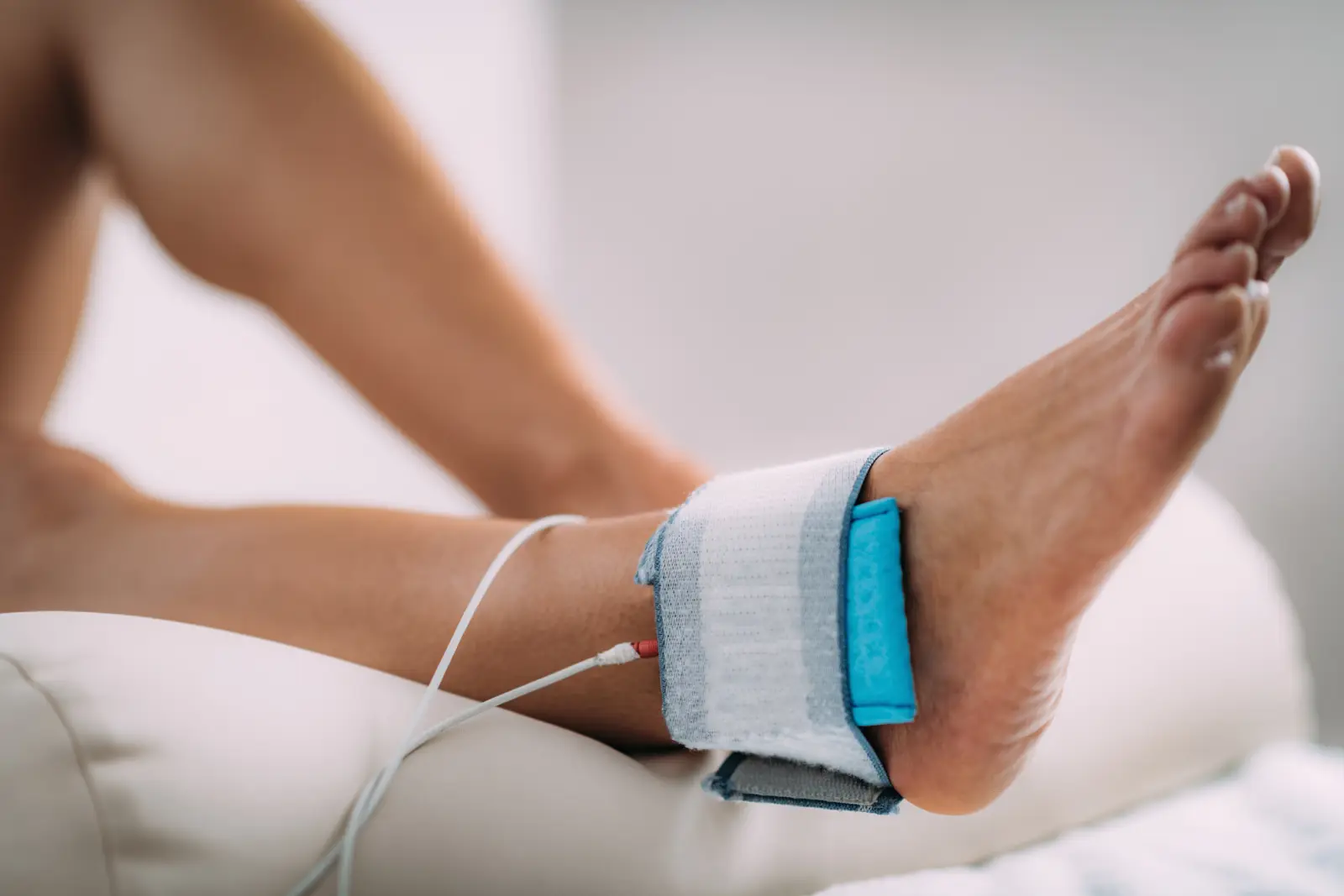
For many patients with leg pain or circulation concerns, the path to a peripheral artery disease diagnosis involves multiple appointments at multiple facilities: a referral for imaging, a wait for results, a follow-up visit to discuss them, and if treatment is needed, another referral to a different provider entirely. Each step adds time, and each facility change adds a new set of records, a new scheduling system, and a new person to bring up to speed on the same symptoms.
Dr. Jeffrey Tauth, a board-certified interventional cardiologist who has practiced in Hot Springs and central Arkansas for more than 30 years, built his practice around a different model. At Hot Springs Heart and Vascular, evaluation, diagnosis, and treatment for peripheral artery disease all happen within a single independent practice.
In this post, Dr. Tauth walks through what that process looks like from the first appointment through treatment, and why keeping it in one location changes the experience for patients.
Why PAD Care Is Often Fragmented
Peripheral artery disease is a vascular condition, but its symptoms (leg pain, cramping, slow-healing wounds) often first bring patients to a primary care physician, a podiatrist, or an orthopedist rather than directly to a vascular specialist.
From there, a typical path might involve a referral to a radiology center for imaging, a separate referral to a vascular surgeon or cardiologist for interpretation, and if intervention is needed, yet another referral to a facility equipped to perform the procedure. At each stage, a patient may be waiting weeks for the next available appointment, particularly if the referring facility is not affiliated with the specialist they are being sent to.
Each of those handoffs introduces delay. Records need to transfer, sometimes by fax or mail rather than electronically. Scheduling has to align across separate systems that do not communicate with each other. And the patient is left explaining their symptoms again to each new provider, without the benefit of a physician who has followed their case from the beginning. By the time a treatment plan is finally in place, a condition that could have been evaluated and addressed within a few weeks has sometimes taken several months.
A typical PAD diagnosis can involve three or four separate facilities before treatment even begins. That fragmentation is what this practice was built to avoid.
Step One: Initial Evaluation
History and Physical Examination
The first appointment at Hot Springs Heart and Vascular begins the same way any thorough PAD evaluation should: with a conversation about the leg symptoms themselves. Dr. Tauth asks when they started, what triggers them, how far a patient can typically walk before symptoms appear, and whether they resolve with rest. He reviews cardiovascular risk factors as part of that same conversation, since a patient’s smoking history, diabetes status, and blood pressure and cholesterol numbers all shape how the rest of the evaluation is approached.
From there, the exam turns physical: checking for pulses at the ankle and foot, noting any changes in skin temperature or color, and looking closely at the feet for any wounds that have been slow to heal.
Ankle-Brachial Index Testing
The next step, when the history and exam point toward PAD, is usually the ankle-brachial index. Rather than requiring a separate imaging appointment, this test can be done right there in the exam room with a blood pressure cuff and a handheld Doppler device, comparing pressure readings at the ankle against those in the arm. Because no scheduling or additional equipment is involved, it fits naturally into the same visit as the initial evaluation rather than requiring the patient to come back another day.
In patients with diabetes, arterial calcification can sometimes cause an artificially normal ABI reading despite significant underlying disease, which is one reason the test is interpreted alongside the clinical exam rather than in isolation.
Step Two: Vascular Imaging
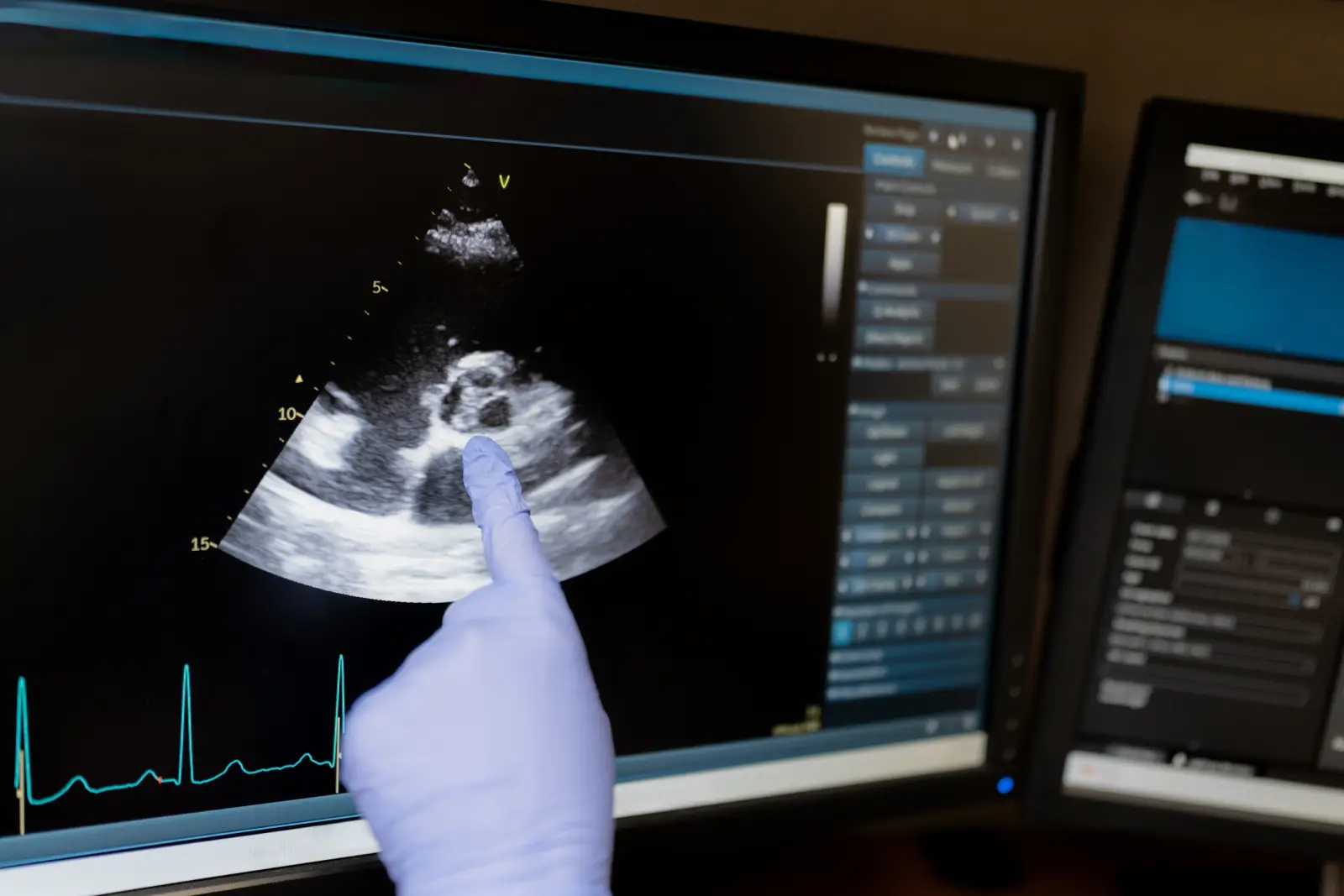
If the ABI or clinical picture points toward PAD, the next step is imaging that shows exactly where the narrowing is and how severe it has become. Duplex ultrasound is the primary imaging tool used for this purpose. It uses sound waves to visualize blood flow through the arteries directly, without radiation or contrast dye, and it is performed in the same clinic where the initial evaluation took place.
At many practices, this is the point where a patient would be referred out for imaging at a separate facility and asked to wait days for the results to be reviewed by their physician. At Hot Springs Heart and Vascular, the imaging happens on-site, and Dr. Tauth reviews the results directly, often during the same visit or shortly after.
Step Three: Determining the Right Treatment Path
Not every PAD diagnosis leads to a procedure. The severity of the arterial narrowing, the patient’s symptoms, and their overall vascular risk profile all factor into what treatment approach makes sense. This is a decision that benefits from being made by the same physician who conducted the diagnostic workup, rather than being handed off to a different provider who is seeing the imaging results for the first time without the context of the initial evaluation.
When Lifestyle and Medication Come First
For patients with mild to moderate PAD, the initial treatment approach typically centers on a structured walking program, smoking cessation if applicable, and medications to manage cholesterol and, in some cases, improve walking distance. These patients continue to be followed at the clinic to monitor whether symptoms are improving, stable, or progressing.
When a Procedure Is Needed
For patients with more advanced disease or symptoms that do not respond adequately to conservative management, catheter-based treatment can restore blood flow directly. This includes angioplasty, stenting, and atherectomy, depending on the specific characteristics of the blockage. Because these procedures are performed at the Vascular Center of Hot Springs, the same practice that completed the diagnostic workup, there is no transfer to an outside facility and no new physician to bring up to speed on the case.
Because PAD and coronary artery disease share the same underlying process, a cardiologist evaluating leg symptoms sees more than just the legs.
Why Staying in One Location Matters for PAD Specifically
PAD is a condition where the diagnostic and treatment pathway benefits significantly from continuity. A few reasons this matters:
- The physician who diagnoses the condition already understands the full history when a treatment decision needs to be made
- Imaging and prior test results are immediately accessible rather than needing to be requested from another facility
- Follow-up care after treatment, including monitoring for restenosis or new symptoms in other vessels, is managed by the same physician who performed the procedure
- Because PAD is closely linked to coronary artery disease, a cardiologist managing both conditions has a more complete picture than a vascular specialist who only sees the leg arteries in isolation
That last point matters more than it might initially seem. Because Dr. Tauth is a cardiologist first, PAD evaluation at Hot Springs Heart and Vascular is not conducted in isolation from a patient’s broader cardiovascular risk. The same visit that addresses leg symptoms also considers what those symptoms may indicate about coronary artery disease risk.
What Patients Experience Differently
Patients who come to Hot Springs Heart and Vascular after previously being evaluated elsewhere often describe the same two surprises: that testing happened at the same visit rather than requiring a separate appointment, and that the person reviewing their results was the same person who examined them in the first place. For patients who have spent months navigating referrals at other facilities, that difference is often the most noticeable part of the experience.
Access to the practice reflects the same philosophy. Calls are answered by staff at the clinic, not routed through an automated system, and patients with worsening leg symptoms can be seen the same day. There is no waiting for a callback from a scheduling department that has never seen the patient’s chart. The person answering the phone can look at the schedule directly and place the appointment.
Schedule an Evaluation With Dr. Tauth
If you are experiencing leg pain, cramping, or other symptoms that may indicate peripheral artery disease, Dr. Jeffrey Tauth welcomes new patients at Hot Springs Heart and Vascular. Call (501) 767-4278 directly to speak to a member of our staff.
Written by
Jeffrey G. Tauth, M.D., F.A.C.C. · Board-Certified Interventional Cardiologist
Interventional cardiologist with more than 30 years in cardiac and vascular care, practicing in Hot Springs and Mena, Arkansas.